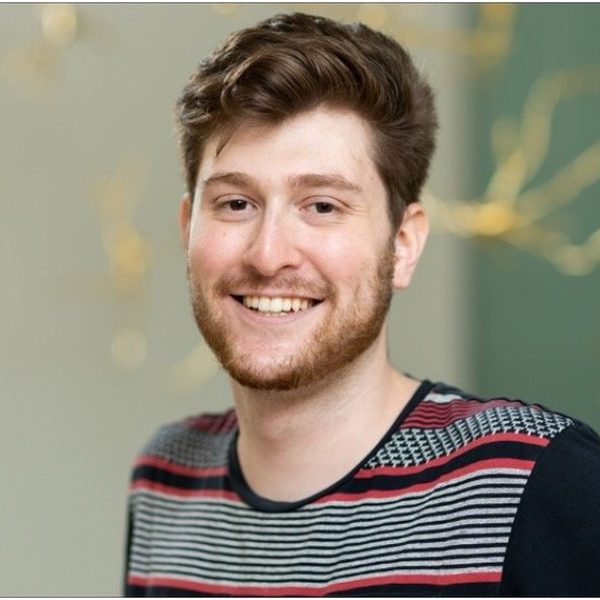
Kian Caplan, PhD
Cofounder, President, CEO, and Director
Systems and cellular-molecular neuroscientist, focused on disorder pathophysiology and tool development.
Starting with treatment-resistant addiction
40.3 million people in the US currently suffer from addiction, making substance use disorder a massive public health crisis. Current therapeutics have high relapse rates (50–80% across indications) in the first year. Chronic cravings and biased decision-making that persist after withdrawal are the largest driver of relapse.
At StriaPlex Therapeutics, we are developing a therapy to selectively recalibrate the hyperactive neural circuits that drive relapse. Our therapy is spatially and temporally precise — allowing patients to regain control over cravings and mitigate relapse at its exact onset, with high efficiency and low side effects.
Get in touchThe problem
27.1 million U.S. adults had alcohol use disorder (AUD) in the past year. Two million received any treatment. 665,000 received medication for AUD. Among the patients who do start an oral medication, only 6–16% are still taking it at six months.
That reads as an adherence problem, and the field has largely treated it as one. The failure sits upstream of adherence. The benefit is modest and hard to feel, the side effects arrive immediately, and patients make the obvious trade.
The same shape shows up across psychiatry. A systemic drug reaches the whole brain and holds roughly constant exposure for as long as a patient keeps taking it. The circuits that generate symptoms are far more specific than that, and the moments that decide an outcome are brief: a cue, a craving, the hours before a relapse. Psychiatric medicine has been asking a continuous, brain-wide intervention to solve a problem that is neither.
Closing that gap means acting only where the symptoms are generated, and only when they are generated.
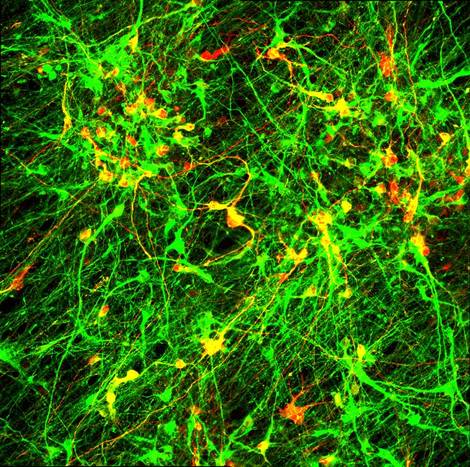
Sources: NIAAA and 2024 NSDUH (prevalence and treatment); McPheeters et al. 2023, Tolomeo & Baldacchino 2021, Tourchian 2024, Wenzel 2024 (persistence).
Scientific founders with complementary expertise across circuit neuroscience and molecular tool development.
Cofounder, President, CEO, and Director
Systems and cellular-molecular neuroscientist, focused on disorder pathophysiology and tool development.

Cofounder & Director
Cellular and molecular neuroscientist, focused on genetics, epigenetics, and tool development.
Clinical, scientific, regulatory and financial leadership spanning academia, hospital medicine and biopharma.

Professor of Neuroscience at MIT
20+ years experience studying the neurobiological basis of pain and addiction.

Biopharmaceutical Executive
20+ years of experience discovering transformative therapies to treat a wide range of diseases.
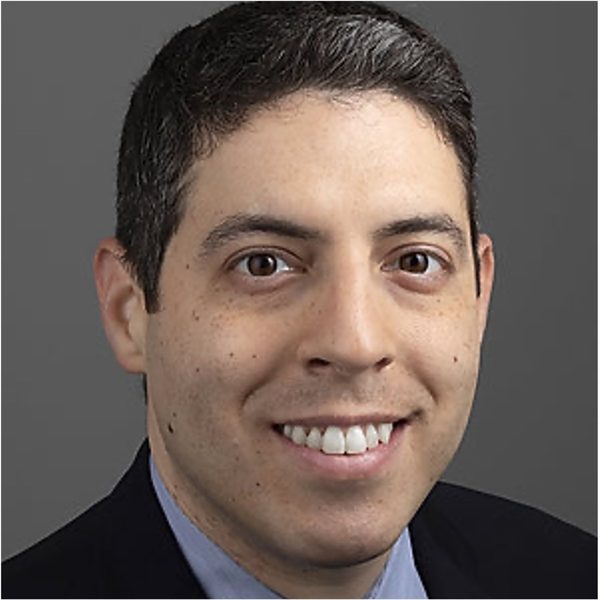
Attending Neurosurgeon at Beth Israel
Specializing in stereotactic and functional surgery with extensive industry collaboration experience.
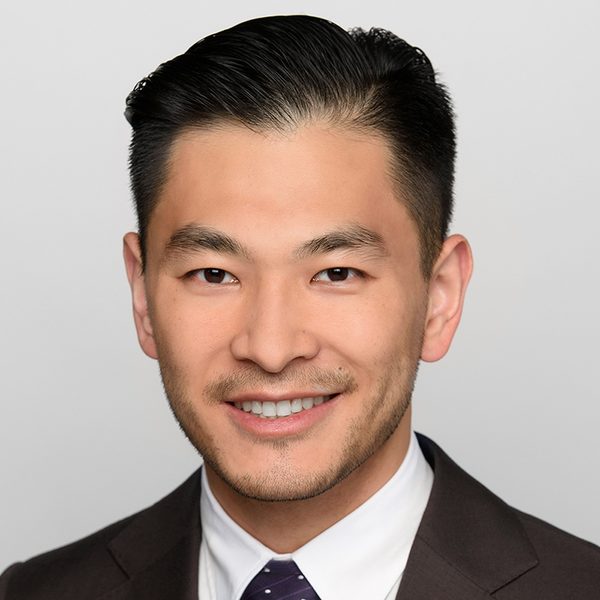
Attending Physician at Mass General Hospital
Medical Director of inpatient addiction services at MGH; double-board certified in Internal Medicine and Addiction Medicine.
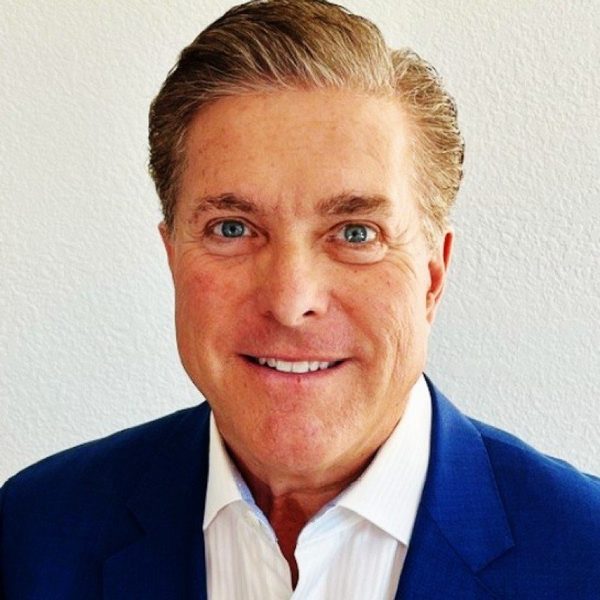
Clinical Operations Executive
Senior executive and physician with 25 years of experience with FDA, medical/clinical affairs, and clinical trials.
Finance & Operations Executive
13 years of experience in biotech finance, operations, most recently as VP of Finance at Histogen (Nasdaq: HSTO).